Yoga Nidra Winter Wonderland
What to Say Beforehand
You’ll be imagining you’re staying in a cabin in the mountains in the woods
Going for a walk in the freshly fallen snow
You will be very warm and cosy all wrapped up and comfortable
Arrival
Settle in and get comfy - cover yourself with a blanket nice and cosy - have a wriggle - get as comfy as you can possibly be
Body Scan
We will go for a journey together around your body - as I name each body part feel it warm and soft
Right thumb, second finger, third finger, fourth finger, fifth finger, fingers and thumb together, palm of the hand, back of hand, wrist, forearm, elbow, upper arm, shoulder, armpit, side of the waist, hip, front right thigh, back of thigh, knee, back of knee, shin, calf, ankle, heel, right big toe, second toe, third toe, forth toe, fifth toe, all toes together, the whole right side…
Warmth in the left thumb, second finger, third finger, fourth finger, fifth finger, fingers and thumb together, palm of the hand, back of the hand, wrist, forearm, elbow, upper arm, shoulder, armpit, side of the waist, hip, front left thigh, back of thigh, knee, back of knee, shin, calf, ankle, heel, left big toe, second toe, third toe, forth toe, fifth toe, all toes together, the whole left side…
Softness in the whole right arm, the whole left arm, both arms together, the whole right leg, the whole left leg, both legs together, and your whole body… expand awareness into the whole body… golden light and your whole body… your whole body resting…
Breath
Watching the natural rhythm of the breath - and feel gratitude for the breath - effortless - flowing - bringing fresh energy and oxygen taking away what you don’t need - brining balance and harmony to the body and mind - rest in that rhythm
Images/Opposites
Now see or feel or imagine you are in bed in a cosy cabin in the mountains in winter - you wake up in the morning and look out of the window and oh! outside it’s been snowing
You can see the patterns of frost on the window pane -
And it’s one to those sunny winter days - the sun is bright and the sky is so blue
You decide to go out for a walk - first you grab a quick drink - maybe a coffee or tea? What ever you like - can you smell the coffee? Feel the warmth in your mouth as you sip? Can you taste the flavour?
Next let’s get ready with our winter kit - first your thermal base layers - slip the thin warm material on
Then your thick warm jumper and trousers
Your thick comfy warm socks
Then your coat and hat and scarf and gloves
Your winter boots with special grippy soles
Can you feel the texture of the warm clothes? See the colours?
Now you are wrapped up cosy and warm - ready for anything
So let’s open the door - after the warmth of the cabin the air feels so fresh and bracing - awakening - can you feel the coolness inside your nose? On your skin? Can you feel the contrast of the warm cabin and the fresh outdoors - feel the air cool on your skin but the warmth of the sun touching you
Can you smell the nature? Smell the snow?
Can you see your breath foggy as you breath out?
Can you hear the sound of silence that comes with freshly fallen snow - all sounds are muffled and soft - a very special quality to the silence of freshly fallen snow
You are the first person to walk on this freshly fallen snow - look out and see - how perfect it is - maybe a few tracks of birds feet - but apart from that completely untouched - waiting for you!
Can you see the colours of the snow - from brilliant white to deep blue
Here and there there are the first flowers of spring time poking through - the spiky green of the leaves and the pure white of snowdrops and the bright yellow of daffodils
Can you see how the sunlight shines on the snow - maybe you even put your sun glasses on - see the contrast of the brightness - then the softness of the light through your sun glasses
Now lets take a step - hear that magic crunch as your boots sink into the snow - it’s not too deep - just right - go ahead and start walking - each step is a new experience - the sound - the sensation of the snow under your feet
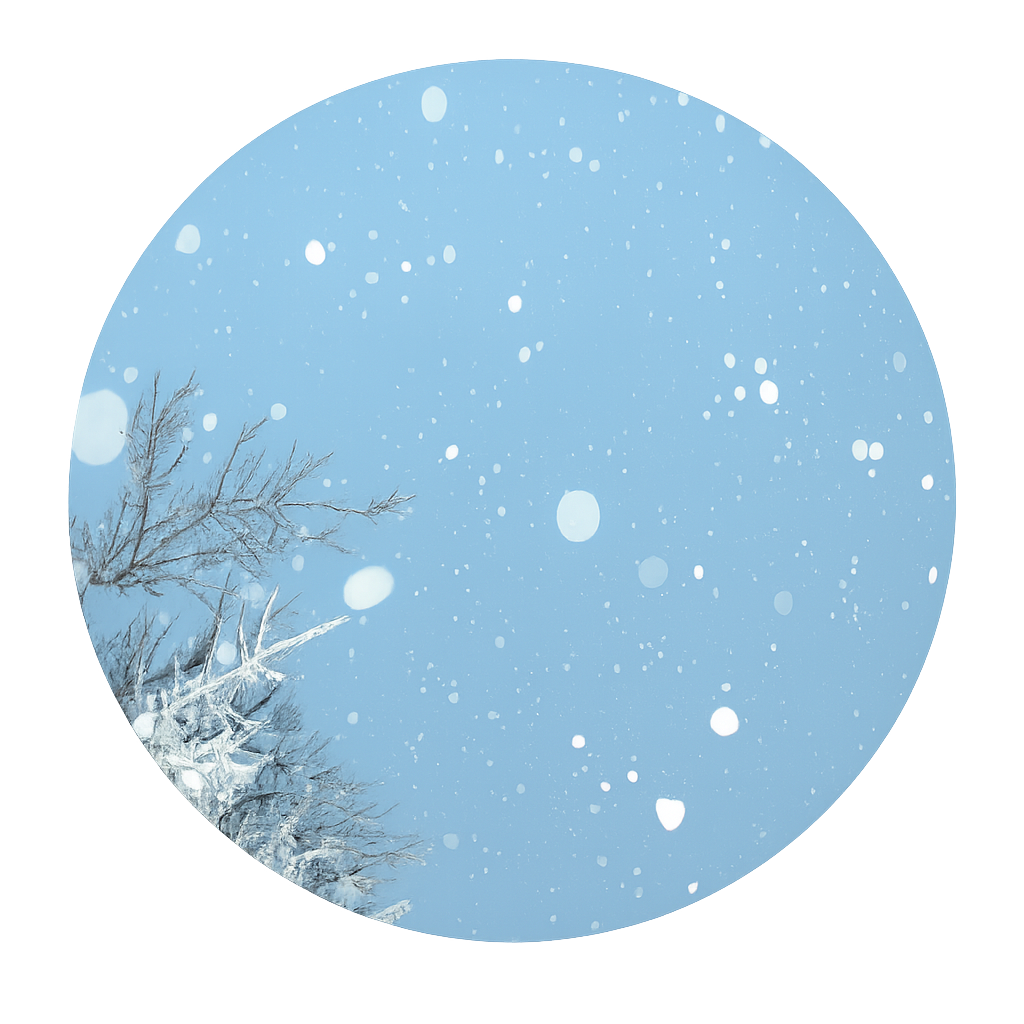
As you walk you can look around - see the snow settled on the branches of the trees…. See icicles hanging down from the trees
You pass a stream all iced up - see the patterns of the ice and snow settled on top - parts of the ice a deep mysterious black
Your path takes you uphill - feel the muscles in your legs working - you build up a pleasant heat
Then you arrive at the top and look out at the most magical view
The sky has layers of blue and white clouds - the sun shining it seems so big and vast - so peaceful
The mountains in the distance are covered in snow with layers of deep blue/purple as the peaks cast shadows
Closer you can see the green of the tree tops - the green layers with the snow on the trees
You can look down and see your feet snuggled in your boots in the snow - see your single set of footprints leading here - pure magic
Breathe in that pure fresh air…
Feel the air brining energy and healing
Feel the sun warming your face
Clean pure energising…
Now walking back down to your cabin - feel how different muscles work as you walk downhill
See your tracks going the other way
Now arriving back to the cabin open the door and feel the warmth - maybe it has a special woody cedar smell?
Take off your boots and lie down on the comfy couch - close your eyes and let images or feelings of your walk float past you - the clouds in the sky - the colours - the textures - the smells and that sound of silence that comes with the snow -
Return
Now beginning your slow and gentle return.
Slowly start to make your way back.
Feeling your body.
Listening to the sounds around you.
Gently begin to move your hands and feet.
Take some deep inhalations.
Maybe stretch your arms over your head.
Draw your knees up to your chest. Rock from side to side.
Then roll over onto one side.
And in your own time, come up to sitting.
Thank You!!!







Quisque iaculis facilisis lacinia. Mauris euismod pellentesque tellus sit amet mollis.